
Commercial Property Appraisal Process Explained Clearly

Rosendale Road, London 1 bed flat for sale - £350,000

The commercial property appraisal process is more than just a number; it’s a vital component that can influence significant real estate transactions. This intricate journey unveils the true worth of commercial assets, taking into account various elements that shape property value. By understanding this process, buyers, sellers, and investors can make informed decisions that align with their financial goals.

Throughout this article, we will explore the essential steps of the appraisal process, the impact of market trends, and the unique challenges faced by appraisers. Additionally, we will delve into the critical role real estate agents and property managers play in ensuring accurate valuations, as well as what future trends may mean for this ever-evolving field.

Overview of the Commercial Property Appraisal Process

The commercial property appraisal process is a critical component in real estate transactions, impacting investment decisions, financing, and property management strategies. It provides an objective assessment of a property’s value, which is essential for buyers, sellers, and lenders.The appraisal process involves several steps to ensure accurate and fair valuation. These typically include property inspection, data collection, analysis of comparable sales, and the application of various valuation methods.

Each step plays a vital role in determining a property’s worth based on market conditions and specific property characteristics.

Steps in the Appraisal Process

The appraisal process for commercial properties consists of the following steps:

  • Property Inspection: A thorough examination of the property, including its condition, size, and location.
  • Data Collection: Gathering relevant data about the property and the local market, such as sales history and zoning information.
  • Comparative Analysis: Analyzing comparable properties that have recently sold to establish a baseline for valuation.
  • Valuation Methods: Utilizing different approaches such as the income approach, cost approach, or sales comparison approach to derive value.
  • Report Preparation: Compiling findings into a formal appraisal report, which includes the appraiser’s conclusions and supporting data.

Factors Affecting Commercial Property Value

Numerous factors can influence the value of commercial properties, including:

  • Location: Proximity to major transportation hubs, business districts, and amenities can significantly enhance value.
  • Market Conditions: Economic trends, supply and demand dynamics, and interest rates directly impact property valuations.
  • Property Condition: The physical state of the property, including structural integrity and aesthetic appeal, is crucial for valuation.
  • Income Potential: The ability of a property to generate rental income can increase its value, particularly in investment appraisals.

Roles of Real Estate Agents in the Appraisal Process

Commercial real estate agents play a pivotal role during the appraisal process, bridging the gap between property owners, potential buyers, and appraisers. Their expertise is essential in navigating complexities and ensuring a smooth appraisal experience.Agents have several responsibilities during appraisals, which include providing comprehensive property information, facilitating access for appraisers, and assisting clients in interpreting appraisal results.

Responsibilities of Real Estate Agents

The responsibilities of commercial real estate agents during appraisals can be summarized as follows:

  • Information Gathering: Collecting detailed information about the property, including previous appraisals, financial statements, and lease agreements.
  • Facilitation: Coordinating the logistics of the appraisal process, including scheduling inspections and providing access to the property.
  • Client Education: Helping clients understand the appraisal process and the implications of the results on their investment decisions.
  • Value Enhancement: Advising property owners on improvements or modifications that could positively impact appraisal outcomes.

Strategies for Enhancing Property Value

Real estate agents employ various strategies to enhance property value before an appraisal:

  • Property Improvements: Suggesting renovations or repairs that increase appeal and functionality.
  • Staging: Presenting the property in its best light through effective staging techniques to attract appraisers’ positive impressions.
  • Market Analysis: Conducting thorough market analyses to justify the property’s value and support appraisal negotiations.

Impact of Market Trends on Appraisals
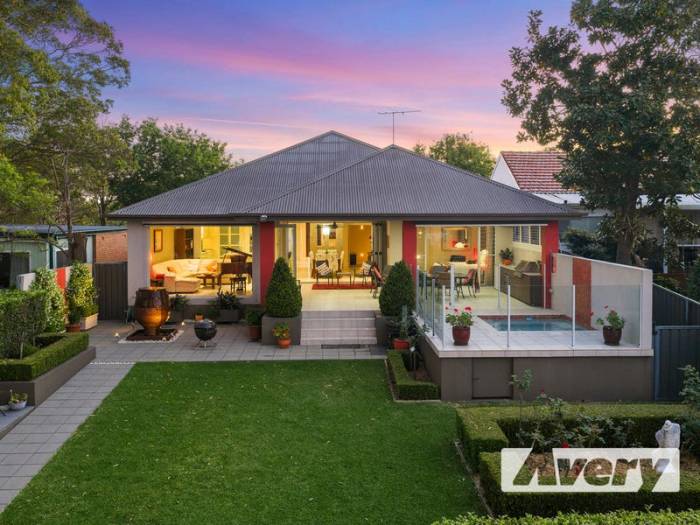
Rosendale Road, London 1 bed flat for sale - £350,000

Current market trends significantly influence commercial property appraisals by affecting demand, rental rates, and overall market sentiment. Understanding these trends is crucial for appraisers, investors, and property owners alike.Economic indicators play a vital role in assessing property values, providing insights into market health and future expectations.

Influence of Market Trends on Appraisal Values

The following market trends can impact commercial property appraisals:

  • Supply and Demand: An imbalance between the availability of properties and the number of buyers can drive prices up or down.
  • Economic Health: Indicators such as employment rates, GDP growth, and consumer spending affect property values by influencing buyer confidence.
  • Interest Rates: Fluctuating interest rates can impact financing availability and costs, thereby influencing property demand and value.

Recent Market Shifts

Recent shifts in the market, such as the rise of remote work and e-commerce, have affected commercial property appraisals. For instance, the demand for traditional office space has declined in some areas, while warehouses and distribution centers have seen increased valuation due to heightened online shopping trends.

Evaluating Luxury Commercial Properties

Appraising luxury commercial properties involves unique considerations compared to standard properties. Factors such as location, amenities, and market positioning play crucial roles in valuation.Luxury properties often offer distinctive features that can significantly enhance their market value.

Unique Aspects of Appraising Luxury Properties

The appraisal process for luxury commercial properties differs in several ways:

  • High-Quality Amenities: Features such as state-of-the-art technology, premium finishes, and exclusive services contribute to higher appraisal values.
  • Prestigious Locations: Properties located in affluent areas or high-demand districts often command premium values.
  • Market Comparisons: Finding comparable sales can be challenging due to the unique nature of luxury properties, requiring specialized market knowledge.

Comparison to Other Property Types

When appraising luxury properties, it’s essential to differentiate them from standard properties, including luxury homes or mansions. The complexity and nuances of luxury commercial property appraisals require a tailored approach that considers market positioning, target clientele, and unique selling propositions.

Involvement of Real Estate Investors in Commercial Appraisals

Real estate investors rely heavily on appraisal reports to inform their investment strategies and decision-making processes. Accurate appraisals are critical to financing and purchasing decisions, providing a clear picture of property value.Investors use appraisal data to assess potential returns on investment (ROI) and make informed choices in a competitive market.

Utilizing Appraisal Reports

Real estate investors utilize appraisal reports in several ways:

  • Investment Decisions: Evaluating properties based on their appraised values to identify worthwhile investment opportunities.
  • Financing: Using appraisal reports to secure financing, as lenders often require an appraisal before approving loans.
  • ROI Assessment: Calculating potential returns based on projected income and expenses reflected in appraisal data.

Importance of Accurate Appraisals

Accurate appraisals are vital for investors as they provide essential insights into property values, influencing purchase negotiations and investment viability. Discrepancies in appraisal values can lead to financial losses or missed opportunities in the market.

Challenges in the Commercial Property Appraisal Process

The commercial property appraisal process is not without its challenges. Appraisers often face various hurdles that can complicate the valuation process, leading to potential disputes or inaccuracies.Understanding these challenges is critical for all stakeholders involved in the transaction.

Common Challenges Faced by Appraisers

Appraisers encounter several common challenges during the appraisal process:

  • Data Availability: Limited access to reliable market data can hinder accurate property valuation.
  • Environmental Factors: Environmental issues, such as contamination or location in flood zones, can complicate appraisals.
  • Property Condition: Properties in disrepair or with significant discrepancies in records can present valuation difficulties.

Real-Life Disputes

Discrepancies in appraisal values can lead to disputes between buyers and sellers. For example, if a buyer believes a property is worth more than the appraised value, it may result in negotiation breakdowns or failed transactions. Documenting and addressing these discrepancies is crucial for maintaining transparency and trust in the appraisal process.

The Role of Property Management in Appraisals

Effective property management practices can significantly influence the commercial property appraisal process. Proper maintenance and management contribute to accurate valuations and overall property success.Well-maintained properties tend to appraise higher than those that are neglected.

Impact of Property Management Practices

The following property management practices can positively impact the appraisal process:

  • Regular Maintenance: Consistent upkeep ensures properties remain in excellent condition, thereby supporting higher appraisal values.
  • Tenant Management: A strong tenant history and favorable lease agreements can enhance property desirability and value.
  • Documentation: Maintaining accurate records of property improvements and operational performance aids in substantiating value during appraisals.

Influence of Tenant History

Tenant history and lease agreements play a crucial role in appraisals. Properties with long-term, stable tenants often command higher values due to perceived income security. Investors and appraisers alike consider the quality of tenant relationships and lease terms when assessing property value.

Future Trends in Commercial Property Appraisals

The commercial property appraisal landscape is evolving, influenced by innovations and technological advancements. Understanding these future trends is essential for industry professionals aiming to stay ahead.Emerging trends in sustainable real estate are also reshaping how appraisals are conducted and valued.

Technological advancements are set to transform the appraisal process in several ways:

  • Data Analytics: Enhanced data analytics tools allow for more precise market analysis and forecasting.
  • Automated Valuation Models (AVMs): Increasing use of AVMs for quick assessments, though traditional appraisals remain essential for accuracy.
  • Virtual Tours: The use of virtual property tours can streamline the appraisal process by providing comprehensive property insights remotely.

Sustainability is becoming an increasingly influential factor in commercial property appraisals. Properties incorporating green building practices or energy-efficient features are attracting higher valuations due to growing market demand for sustainable solutions. Investors are recognizing the importance of environmental responsibility, leading to a shift in appraisal methodologies to accommodate these trends.

Final Thoughts

In conclusion, the commercial property appraisal process is a complex yet crucial aspect of the real estate landscape that significantly impacts investment decisions and property transactions. As we navigate through market trends and technological advancements, understanding these dynamics will empower stakeholders to leverage appraisals effectively and optimize their real estate portfolios for future success.

FAQ Overview

What is a commercial property appraisal?

A commercial property appraisal is an evaluation conducted to determine the market value of a commercial property based on various factors, including location, condition, and market trends.

How long does a commercial property appraisal take?

The duration of a commercial property appraisal can vary, typically ranging from a few days to several weeks, depending on the property’s complexity and the appraiser’s workload.

Who hires an appraiser for commercial properties?

What documents are needed for a commercial appraisal?

Common documents required include property deeds, lease agreements, income statements, and any renovation or maintenance records that may affect value assessment.

Can an appraisal be contested?

Yes, if a party believes an appraisal is inaccurate, they can contest it by providing additional information or evidence to support their case for a reevaluation.

Open Floor Plan Design Trends In Modern Homes

Why open standards are fundamental to deploying data for smart city ...

As open floor plan design trends take center stage, this opening passage beckons readers into a world crafted with knowledge, ensuring a reading experience that is both absorbing and distinctly original.

Today’s homeowners and designers are increasingly drawn to open floor plans, where spaces flow seamlessly into one another, creating a sense of freedom and flexibility. This design style has gained momentum not just for its aesthetic appeal, but also for the practicality it offers in modern living. From material choices to color palettes, understanding these trends is essential for anyone looking to enhance their home’s livability and value.

Open Floor Plan Design Trends

Open floor plans have gained immense popularity in recent years, transforming the way we perceive space within our homes. The latest trends in open floor plan designs focus on creating harmonious and functional environments that cater to both aesthetics and practicality. This article delves into the current trends, benefits, and drawbacks of open floor plans, particularly in residential properties.

Latest Trends in Open Floor Plan Designs

The contemporary open floor plan emphasizes seamless transitions between spaces, often incorporating natural materials and soothing color schemes. Key trends include:

  • Natural Materials: The use of wood, stone, and concrete in open spaces creates a warm, inviting atmosphere.
  • Neutral Color Palettes: Soft, neutral tones such as whites, grays, and earth tones are prevalent, promoting a sense of calm.
  • Integrated Technology: Smart home features are being integrated into open layouts, enhancing convenience without disrupting the aesthetic.
  • Flexible Spaces: Furniture that can be easily rearranged allows homeowners to adapt their living areas for various activities.

Benefits and Drawbacks of Open Floor Plans

Open floor plans offer several advantages, including:

  • Increased Natural Light: With fewer walls, sunlight can penetrate deeper into the home.
  • Enhanced Social Interaction: Open layouts foster communication and connection among family members and guests.
  • Versatile Design: Homeowners can personalize their space with different furniture arrangements and decor styles.

However, there are also drawbacks to consider:

  • Noise Levels: Without walls to absorb sound, open spaces can become noisy.
  • Lack of Privacy: Open floor plans can limit personal space, which may be a concern for larger families.
  • Heating and Cooling Challenges: Maintaining comfortable temperatures can be more difficult in expansive areas.

Buyer Appeal in the Luxury Home Market

Open floor plans significantly enhance buyer appeal, particularly in the luxury market. High-end buyers are often looking for:

  • Modern Aesthetic: Open layouts align with contemporary design trends, making luxury homes more attractive.
  • Entertaining Space: Large, open areas are ideal for hosting events and gatherings.
  • Customization: High-end clients often desire unique, tailored spaces that reflect their lifestyle.

Real Estate Agents and Open Floor Plans

Real estate agents play a crucial role in showcasing open floor plans effectively to potential buyers. Understanding the nuances of marketing these spaces can lead to successful transactions.

Marketing Open Floor Plans Effectively

To market open floor plans successfully, agents should focus on:

  • Highlighting Space: Use descriptive language to emphasize the expansiveness of the layout.
  • Utilizing Professional Photography: High-quality images can capture the flow and functionality of open spaces.
  • Creating Virtual Tours: Digital walkthroughs allow buyers to experience the layout from the comfort of their homes.

Helping Clients Visualize Open Floor Plans

During home showings, real estate agents can assist clients in visualizing open floor plans by:

  • Using Furniture Placement: Arranging furniture to demonstrate how different areas can be used.
  • Creating Concept Boards: Presenting mood boards with design ideas can inspire potential buyers.
  • Discussing Potential Uses: Highlighting various functions for different areas reinforces the versatility of open layouts.

Attracting Investors with Open Floor Plan Trends

Real estate agents can leverage trends in open floor plans to attract investors by:

  • Researching Market Demand: Identifying neighborhoods where open layouts are sought after can guide investment decisions.
  • Emphasizing Resale Value: Open floor plans often command higher resale prices, appealing to investors looking for returns.
  • Networking with Renovators: Collaborating with builders who specialize in modern designs can enhance property attractiveness.

Open Floor Plans in Luxury Homes

In luxury mansion designs, open floor plans are not only functional but also a signature element of modern elegance. The integration of these layouts into high-end properties showcases a blend of sophistication and comfort.

Incorporating Open Floor Plans into Luxury Mansion Designs

Luxury designs often feature:

  • Grand Entrances: Expansive entryways that open into large living areas create an immediate sense of opulence.
  • Integrated Indoor-Outdoor Spaces: Sliding glass doors that lead to outdoor entertainment zones blur the lines between indoor and outdoor living.
  • Statement Features: High ceilings, large windows, and bespoke furnishings characterize luxury open layouts.

Comparing Traditional vs. Modern Luxury House Designs

The contrast between traditional and modern luxury designs is notable:

Aspect Traditional Designs Modern Designs
Layout Segmented rooms with defined purposes Open spaces that encourage flow and flexibility
Aesthetic Rich, ornate details and classic finishes Sleek lines, minimalism, and contemporary materials
Functionality Emphasis on separate living, dining, and family rooms Multi-functional spaces for various activities

Customizing Open Floor Plans for High-End Clients

High-end clients often seek customized open floor plans that reflect their unique tastes and lifestyles. Considerations include:

  • Personalized Layouts: Tailoring spaces to fit clients’ specific needs, such as home offices or gyms.
  • Luxury Finishes: Incorporating high-quality materials and fixtures that enhance overall design.
  • Smart Home Integration: Adding technology that allows for home automation and enhanced convenience.

Commercial Properties and Open Designs

Open designs have made significant inroads into commercial real estate, promoting collaboration and innovation within the workplace.

Utilizing Open Floor Plans in Commercial Properties

Businesses are increasingly adopting open floor plans to foster collaboration. This approach enhances communication and teamwork by creating an environment that encourages interaction.

  • Collaborative Workspaces: Areas designed for brainstorming and group projects enhance creativity.
  • Flexible Office Spaces: Configurable workstations allow businesses to adapt to changing needs.
  • Breakout Areas: Relaxation zones within open designs provide employees with spaces to recharge.

Successful Examples of Open Floor Plan Designs in Commercial Real Estate

Several companies have successfully implemented open floor plans, including:

  • Google: Their offices feature open spaces filled with creative work areas and communal zones.
  • Facebook: The headquarters boasts a large, open layout that encourages collaboration among employees.
  • Airbnb: Their design emphasizes a communal atmosphere, fostering interaction and innovation.

Impact on Employee Productivity and Satisfaction

Studies show that open floor plans can positively influence employee productivity and satisfaction, as they:

  • Enhance Communication: Reduced barriers allow for easier collaboration and idea-sharing.
  • Promote Teamwork: Open spaces encourage employees to work together more effectively.
  • Increase Job Satisfaction: Employees often feel more connected to their peers in open environments.

Building a Home with Open Floor Plans

Designing a new home with an open floor plan requires careful planning and consideration to achieve the desired flow and functionality.

The Process of Designing a New Home with an Open Floor Plan

When embarking on a new build, homeowners should follow these steps:

  • Define Your Needs: Consider how you will use the space and what areas need to be interconnected.
  • Consult with Professionals: Engage architects and designers who specialize in open layouts.
  • Plan for Future Needs: Anticipate lifestyle changes that may affect the design over time.

Selecting Finishes and Layouts

Choosing the right finishes and layouts is crucial for complementing open designs. Homeowners should consider:

  • Color Schemes: Opt for cohesive color palettes that unify the various areas.
  • Flooring Choices: Select materials that can withstand heavy foot traffic while maintaining visual appeal.
  • Lighting Solutions: Incorporate diverse light sources to enhance ambiance and functionality.

The Role of Architects and Builders

Architects and builders play a vital role in implementing open design concepts. Their expertise ensures that:

  • Structural Integrity: The design maintains stability while allowing for expansive spaces.
  • Code Compliance: All aspects of the design adhere to local building regulations.
  • Client Satisfaction: The final product meets the homeowner’s vision and functional requirements.

Green Real Estate and Open Floor Plans

Sustainability is a growing concern in real estate, and open floor plans can play a significant role in promoting eco-friendly living.

Promoting Sustainable Living in Green Real Estate

Open floor plans can enhance sustainability by:

  • Encouraging Energy Efficiency: Fewer walls can reduce heating and cooling costs.
  • Utilizing Natural Resources: Designs that maximize natural light and ventilation contribute to lower energy consumption.
  • Incorporating Green Materials: Using sustainable materials in construction aligns with eco-friendly values.

Materials and Design Practices for Energy Efficiency

Homeowners can improve energy efficiency in open designs by:

  • Energy-Efficient Windows: Installing double or triple-glazed windows minimizes heat loss.
  • Insulation: Proper insulation helps maintain comfortable temperatures.
  • Renewable Energy Sources: Integrating solar panels can reduce reliance on non-renewable energy.

Facilitating Natural Lighting and Ventilation

Open floor plans inherently promote natural lighting and ventilation, which can:

  • Reduce Energy Costs: Maximizing natural light decreases the need for artificial lighting.
  • Enhance Indoor Air Quality: Good ventilation helps reduce indoor pollutants.
  • Support Well-Being: Access to natural light and fresh air can improve overall health and mood.

Home Staging for Open Floor Plans

Effective home staging is essential in showcasing open floor plans to potential buyers. A well-staged home can highlight the advantages of open layouts.

Importance of Home Staging

Home staging is crucial for:

  • Demonstrating Space Utilization: Proper staging shows how different areas can be used effectively.
  • Creating Visual Appeal: Aesthetically pleasing designs entice buyers and create emotional connections.
  • Facilitating Quick Sales: Staged homes often sell faster and at higher prices.

Strategies for Staging Open Floor Plan Homes

To maximize space perception, consider these staging strategies:

  • Define Areas: Use furniture and rugs to delineate spaces within the open layout.
  • Minimize Clutter: Keep areas tidy to create a sense of openness and flow.
  • Use Light Colors: Light-colored furnishings and decor can enhance the feeling of spaciousness.

Enhancing Flow with Furniture Arrangement

Furniture arrangement is key to enhancing flow in open spaces. Tips include:

  • Group Seating: Arrange sofas and chairs to encourage conversation and interaction.
  • Appropriate Scale: Select furniture that matches the scale of the space to avoid overcrowding.
  • Functional Pieces: Choose multifunctional furniture to maximize usability without compromising on design.

Real Estate Marketing and Open Layouts

A strategic marketing plan is essential for promoting properties with open floor plans, ensuring they attract potential buyers.

Creating a Marketing Plan for Open Floor Plans

A successful marketing plan for open layouts should include:

  • Target Audience Identification: Understand who is most likely to be attracted to open floor plans.
  • Highlighting Unique Features: Clearly communicate the advantages of an open layout in listings.
  • Utilizing Multiple Platforms: Promote listings across various channels, including social media and real estate websites.

Digital Marketing Techniques for Highlighting Open Layouts

Digital marketing techniques effective for open layouts include:

  • Engaging Content: Create blog posts and articles discussing the benefits of open floor plans.
  • High-Quality Videos: Use video tours to showcase the flow of spaces and highlight features.
  • Optimization: Optimize listings with relevant s to improve visibility in search results.

Best Practices for Virtual Tours

Virtual tours play a crucial role in showcasing open floor designs. Best practices include:

  • Comprehensive Coverage: Ensure all areas of the home are included in the tour for a complete view.
  • Interactive Features: Incorporate clickable hotspots to provide additional information on specific areas.
  • High-Quality Visuals: Use professional-grade photography and videography to enhance appeal.

Trends in Leasing and Renting Open Spaces

The rental market is evolving, and open floor plans are becoming increasingly popular among renters, reflecting changing preferences.

Preferences of Renters for Open Floor Plans

Many renters now prefer open floor plans due to:

  • Versatility: Open layouts can easily adapt to different lifestyles and needs.
  • Social Interaction: Open spaces foster a sense of community among tenants.
  • Modern Aesthetic: Many renters are drawn to the contemporary look of open floor designs.

Enhancing Rental Value of Commercial Properties

Open floor designs can significantly enhance the rental value of commercial properties by:

  • Attracting More Tenants: Flexible layouts appeal to a wider range of businesses.
  • Encouraging Longer Leases: Companies are likely to stay longer in spaces that meet their evolving needs.
  • Boosting Brand Image: Innovative designs can enhance a tenant’s brand perception among clients.

Future of Leasing Trends with Open Layouts

As preferences shift, the future of leasing trends may include:

  • Increased Demand: More renters may seek properties with open layouts as they become synonymous with modern living.
  • Flexible Lease Terms: Landlords may offer more adaptable leasing options to accommodate changing needs.
  • Integration of Technology: Smart home features may become standard in open-layout rentals.

Real Estate Investing in Open Floor Plans

Investing in properties with open floor plans can yield significant returns, making them an attractive option for buyers.

Potential Return on Investment

Properties with open floor plans often provide excellent return on investment due to:

  • Market Demand: Increased interest in open layouts drives property values up.
  • Higher Resale Prices: Homes with modern designs tend to sell for more.
  • Flexibility in Use: Open spaces can be appealing to a broader range of buyers, enhancing resale potential.

Trends in Open Floor Plan Properties

Real estate investors should be aware of trends that are particularly appealing, including:

  • Eco-Friendly Features: Properties incorporating sustainable design elements attract environmentally conscious buyers.
  • Smart Home Technology: Homes with integrated technology are increasingly desirable.
  • Community Amenities: Properties located in neighborhoods with additional community features often command higher prices.

Assessing Market Demand for Open Floor Plan Homes

To assess market demand effectively, investors should:

  • Analyze Local Trends: Study regional preferences for open layouts to identify lucrative opportunities.
  • Conduct Market Research: Use data to understand buyer behavior and investment potential in various areas.
  • Engage with Real Estate Professionals: Collaborating with agents can provide valuable insights into market dynamics.

Final Conclusion

Why open standards are fundamental to deploying data for smart city ...

In conclusion, open floor plan design trends offer a harmonious blend of beauty and functionality that resonates with buyers and renters alike. As we navigate through the evolving landscape of real estate and interior design, recognizing the benefits and strategies associated with open layouts can lead to informed decisions and a more enjoyable living experience.

FAQ Overview

What are the main benefits of open floor plans?

Open floor plans enhance natural light, promote social interaction, and create a sense of spaciousness.

Are there any downsides to open floor plans?

Potential downsides include noise transfer between spaces and challenges in defining different areas within a large room.

How can I effectively stage an open floor plan for selling?

Use furniture placement to define spaces and ensure a cohesive flow that highlights the openness of the layout.

What trends are emerging in open floor plan design?

Current trends include the use of sustainable materials, bold color schemes, and multifunctional spaces that adapt to various needs.

Do open floor plans increase home value?

Yes, homes with open floor plans often attract more buyers and can command higher prices in the market.